

How To Remove Dry Acrylic Paint From Wood
This post may contain affiliate links. We may earn a pocket-size commission from purchases made through them, at no boosted cost to y'all.
It hasn't always been easy to decorate your domicile. Earlier things like paint were readily available, the only way to brand something unique was to smear it with berries or merely make it bigger and more intricate than your neighbors. Thankfully, these days we have so many types of paint and finishes bachelor to us that the biggest obstacle nosotros often face is choosing one we like! This does beg the question though, what happens when we want to remove paint from a surface? Acrylic paint is i of the virtually sold paints all around the world at the moment, and its typically used to paint wooden surfaces such as home exteriors, flooring, and even furnishings, so permit's have a await at what acrylic pigment is and how to effectively remove it from surfaces.
Table of Contents
- i What Is Acrylic Paint?
- two Is It Difficult to Remove Acrylic Paint From Wood?
- three How to Remove Acrylic Paint From Wood
- 3.1 Using the Vegetable Oil Method
- iii.2 Using the Hot Water and Soap Method
- iii.3 Using the Rubbing Alcohol Method
- 3.4 Using the Heat Gun Method
- 3.5 Using the Solvent Method
- 4 Oftentimes Asked Questions
- 4.1 What Removes Acrylic Pigment?
- 4.ii Is It a Proficient Thought to Utilise Acrylic Paint for Woodwork?
- 4.3 What Are Acrylic Paints Used For?
What Is Acrylic Pigment?
Acrylic paint is somewhat of a new thing. Before acrylic was discovered, the merely paint that nosotros had available for both large- and small-calibration painting applications was oil-based paints. Oil-based paints became something of a status quo for hundreds of years oil-based paint has been documented as beingness used as far back as the 7th century, beingness used to paint murals and particular important events on cave ceilings.
These paints were made using a combination of either berries and nuts, or when it came to fine art, a combination of nuts and linseed oils which produced vibrant colors that not but allowed artists to express themselves better merely ensured that their work would concluding for many years to come. As the industrial revolution rolled around, oil-based paints and pb-based paints were now able to be mass-produced and therefore were more readily available. Unfortunately, as we know today, these paints contain harmful chemicals which affect i's raspatory systems.
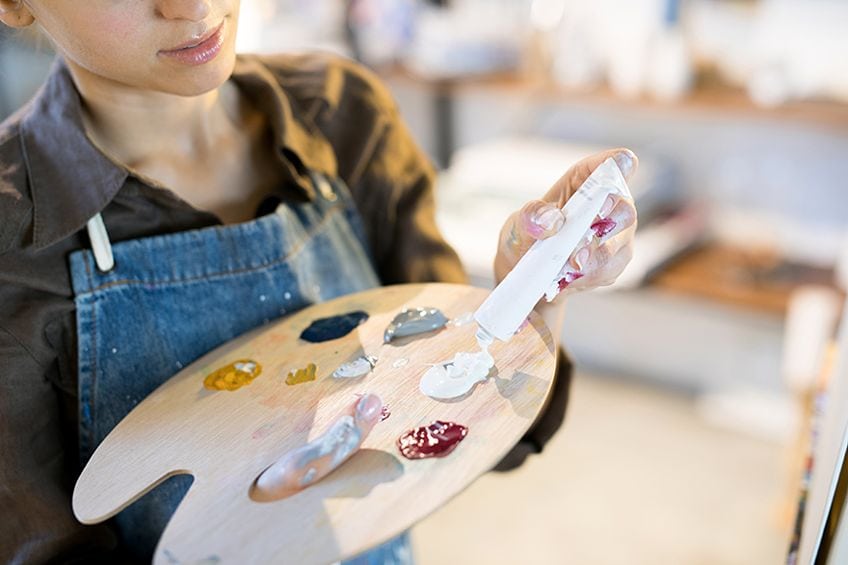
Equally time went on, we sought new means to decorate our homes and furnishings, and toward the stop of the second globe state of war, acrylic paints became all the rage among not only those involved in the fine arts but in the construction and manufacturing industry too. The acrylic paint available at this betoken in time was crude and was a combination of oil and watercolor paints. Modernistic acrylic pigment is far more sophisticated, being made from a range of pigments suspended in acrylic polymers. Acrylic paints are easier and often cheaper to manufacture as the ingredients needed to add color to the base fabric are easier to come past and more readily available, which explains why acrylic paints are typically cheaper than their oil-based counterparts.
Although they are cheaper and easier to make, this doesn't mean that they are objectively superior to oil-based paints. Why? While oil-based paints and acrylic paints glaze the surface they are applied to, oil-based paints penetrate beneath the surfaces of wooden workpieces and provide much-needed protection from things like rut, moisture, and insects.
Acrylic paints practice not, and mostly aren't every bit robust and protection-focused as oil-based paints inherently are. Notwithstanding, acrylic paints contain far less volatile organic compounds (VOCs) than oil-based paints, and they're typically cheaper which is why they are far more than pop than oil-based paints are today.
Is It Difficult to Remove Acrylic Paint From Wood?
As we mentioned previously, acrylic paint isn't as tough to remove from wooden surfaces every bit its oil-based counterpart, simply it can nevertheless be challenging. Oil-based paints are really largely water-based which means that if you catch a spill as soon every bit information technology lands on a wooden surface, you can easily remove it with some lather and water, however, if it's allowed to dry it tin be a fleck more challenging to become rid of. Why? Well, while acrylic paint might not penetrate the surface of a wooden workpiece the way the oil-based paints practice, it does accept a pretty strong bond with the surface. This ways that removing it can have some elbow grease, particularly if you lot don't take the right tools for the job. This is why it is really important to clean up acrylic paint as soon as you notice the spill. This is all well and skilful, but what happens if you want to remove acrylic paint from a surface that's been there for a long fourth dimension? This is pretty common when the paint on furniture gets a scrap old and needs to be replaced.
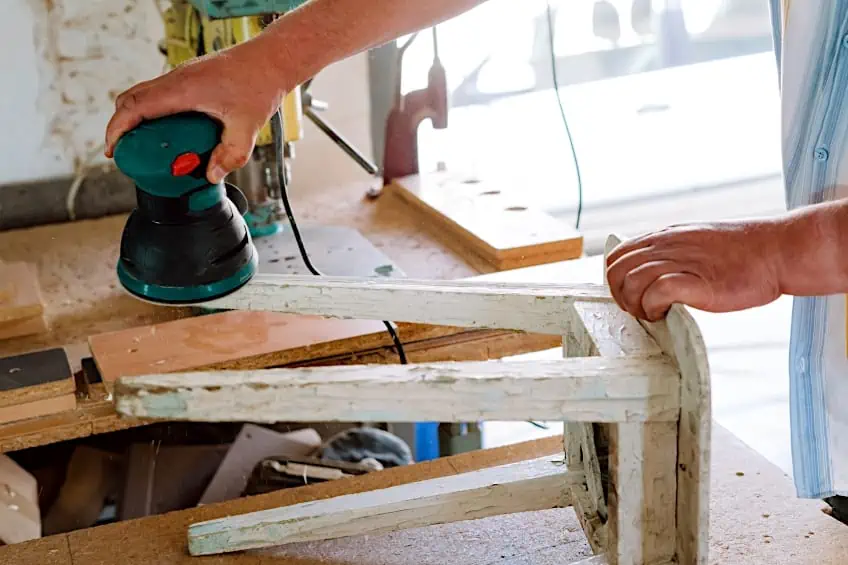
In this example, there are a few methods you can use to ensure that your acrylic paint is removed from your wooden surface without dissentious it. Unlike other paints on the marketplace, acrylic pigment is highly reactive to solvents, which means if you can get your hands on the right ones, you lot can remove one-time acrylic pigment from a wooden workpiece with just a bit of elbow grease. Although if multiple coats of acrylic paints accept been practical you might demand to repeat the removal process and/or get a sander involved at some bespeak. This being said, attempting to remove long-standing acrylic paint from a wooden surface past force could result in yous completely ruining your workpiece. How? Well, using a ability sander without removing the majority of the paint could crusade the estrus of the sander to smear the pigment all over the workpiece, which means even more work for y'all. On the other mitt, using a solvent that isn't graded for use with acrylic paint could consequence in a nasty chemical reaction that could not only ruin your workpiece simply produce harmful fumes in your workspace.
This is why it's of import to employ the correct solvents when removing acrylic paint and ensure that you lot're wearing the appropriate personal protective gear.
How to Remove Acrylic Paint From Wood
By and large, there are 2 instances in which you'd want to know how to remove acrylic paint from wood, either y'all've managed to spill some and need to know how to remove it rapidly, or you've grown tired of an existing terminate and want to remove information technology in an endeavor to replace information technology with a new one. Thankfully, we have you covered in both scenarios, then let's take a wait at how to go acrylic paint off forest whether information technology's a recent spill or an old finish.
Using the Vegetable Oil Method
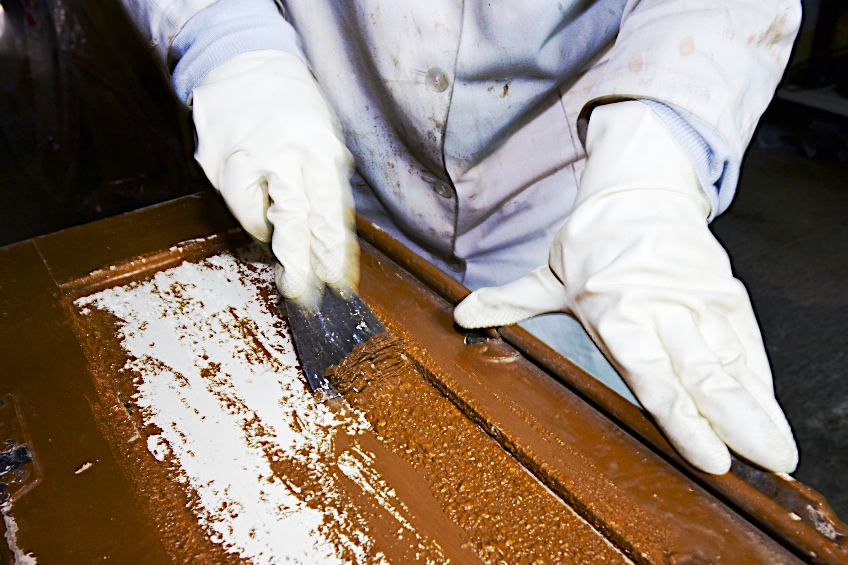
If you're wondering how to remove dried acrylic paint from wood this is 1 of the best methods. Dried acrylic pigment usually looks like a solid, but the way acrylic paints dry on the wooden surface is actually more of a caked coating than a replacement of the woods surface. This being said, hither's how to remove dried acrylic paint from wood using vegetable oil, also as a few things you lot will need:
- A roll of paper towel
- Vegetable or olive oil
- A plastic scraper
- Some clean cloths
This method is generally used to remove acrylic paint from small furnishings and is a neat trick to keep in mind in instance you ever find yourself in a compression or crunched for time. First, go your olive oil/vegetable oil and scroll of newspaper towels. Take a few sheets of paper towel and get a skilful amount of oil onto them, simply practice your all-time not to saturate the towels or you'll have quite the mess on your hands.
Side by side, rub the at present oil-filled paper towels on the are of your workpiece coated in the dried acrylic paint.
Once yous've lathered the expanse upward thoroughly, go out information technology to soak in for about 30 minutes, you should start to see the paint bubbles on the surface as the olive oil dissolves the bail it has with the wooden surface. In one case the 30 minutes have passed, get your plastic scraper ready. It's time to get your easily dirty. Use the scraper togently elevator the paint from the wooden surface without damaging the wood underneath. Get equally shut to the surface of the wood every bit possible and remove as much of the paint as you lot can. Repeat this process until all of the pigment has been removed from your workpiece. Call up to wipe off any excess oil with a paper towel with each pass.
Using the Hot Water and Soap Method
Hither's how to get acrylic paint off wood using some hot water and ordinary household lather, but go along in heed that this method will only piece of work if the pigment is still wet and is most constructive when y'all notice yourself needing to remove acrylic pigment from varnished woods surfaces. All that you lot'll need for this method is the following:
- Hot or warm water
- An ordinary cloth
- Some dishwashing liquid
This method is pretty cocky-explanatory, but before you go ahead and smother the paint in hot water you should probably remove the backlog. You could utilize a spare piece of cardboard or a plastic knife to scrape up the excess and remove it from the floor. Once you've got most of it cleaned up, y'all'll notice a stain left by the acrylic polymer, and this is where the hot h2o and soap come up in.
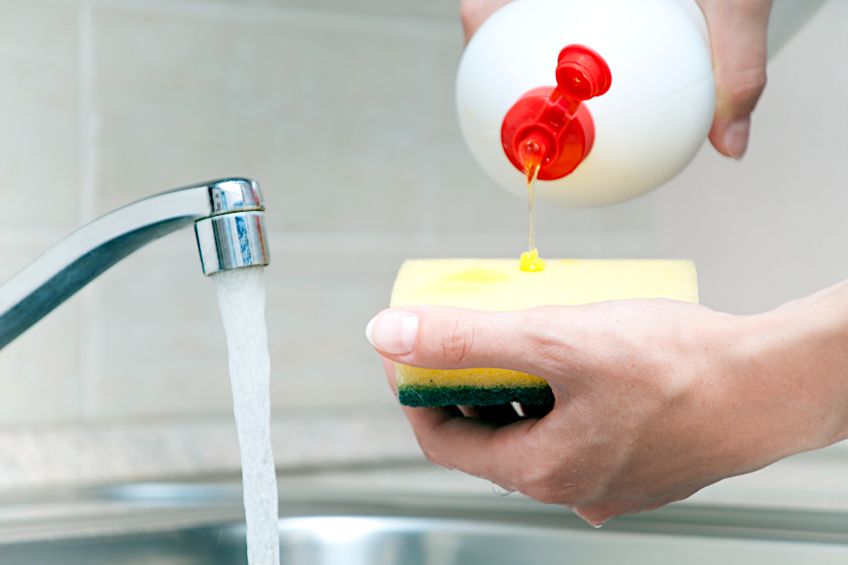
Soak your material in the water and railroad train out the excess, then apply your textile to scrub the surface in a circular motion to remove the majority of the stain. Ensure to rinse your cloth regularly to avert spreading the stain further. One time the stain has been removed, allow the surface to dry completely (use a dry material if it's really moisture), and if there is however a stain present echo the process as many times as needed.
Using the Rubbing Alcohol Method
If you're looking for a peachy manner to get acrylic paint off hardwood floors, we recommend getting your hands on some rubbing alcohol. This method not only works on wet and dry out paint off wooden surfaces but is one of the tried-and-truthful means to get acrylic pigment off hardwood floors, which is notoriously hard thanks to the wood these floors tend to be made of. Here are a few of the things you lot'll demand:
- Some rubbing booze
- Some ordinary cloths
- A plastic scraper
- A scrubbing sponge or steel wool
This might go against every instinct you have when it comes to dealing with hardwood floors, simply y'all're going to need to use your plastic scraper to remove some of the dried paint from the wooden surface beforehand. Use your scraper and remove the paint layer past layer, endeavour not to practise too much at once or you could finish upward ruining the surface. At present get your hands on that rubbing booze. Nosotros don't recommend over-saturating the cloth in running alcohol but become as much on in that location as you lot can. Next, chop-chop apply the cloth to the affected area of the wood and permit the alcohol to soak in earlier it evaporates. The goal here is to get as much rubbing alcohol onto the affected area without damaging the wood or over-saturating the cloth.
At present it'due south time to get out your steel wool. Use information technology to focus on the affected area and remove the majority of the paint from the surface. Be careful not to become too hard or you might end up scratching your hardwood flooring, which will only atomic number 82 to more work after on.
You can get alee and soak your steel wool in some rubbing booze too to salve yourself some elbow grease. At this point, you should have most of the acrylic paint removed from the surface. What'southward left should exist a shallow stain with some harder bits scattered about. Set bated your steel wood and get your hands on a cloth and some hot/warm water. Soak the cloth in the h2o and band out the excess, then using some considerable elbow grease scrub away the remaining paint. The water not merely neutralizes the booze but ensures that the remaining paint is slowly broken down in conjunction with the friction of y'all scrubbing back and forth. This method ensures that your hardwood floors are preserved and that y'all aren't left with any residual stains once you're done scrubbing the surface.
Using the Heat Gun Method
Using a heat gun is one of the best methods of getting rid of acrylic paint on a larger surface, especially ones that are vertical. If you're working with smaller surfaces like a small cupboard or a nightstand you'' have a meliorate time using 1 of the methods nosotros've covered previously. Oestrus guns are great for all manner of crafts, and they've get relatively inexpensive in contempo years, so you lot won't take much trouble getting your hands on 1. Here are a few things yous'll need to go started:
- A heat gun
- Gloves
- A plastic scraper
- A clean textile
- A face mask
- Center goggles
Before you get started it's of import to gear up. Why? Acrylic paint contains some chemicals that become volatile when exposed to direct rut, this can cause the release of harmful chemicals that can cause serious discomfort if inhaled or if they come into contact with your skin or eyes. This beingness said, pop on your gloves, face mask, and goggles to ensure that y'all are properly protected. Now that you take on all of your personal protective gear it's time to plug in your heat gun. Once it's powered upward, ready information technology to the highest heat setting (if you have variable temperature command). Once you have it all heated up, get yourself within a medium distance (roughly 4 anxiety) from the surface in question and begin applying estrus. The trick here is to utilise heat consistently in a circular motion to ensure that the paint is raised equally.
At this point, yous should notice that the paint has either begun to bubble up or crack on the surface. This is how you know that your estrus treatment is working, and y'all can movement on to the next step in the process. Get your plastic scraper ready and brainstorm to carefully lift the paint from the surface of the wooden workpiece.
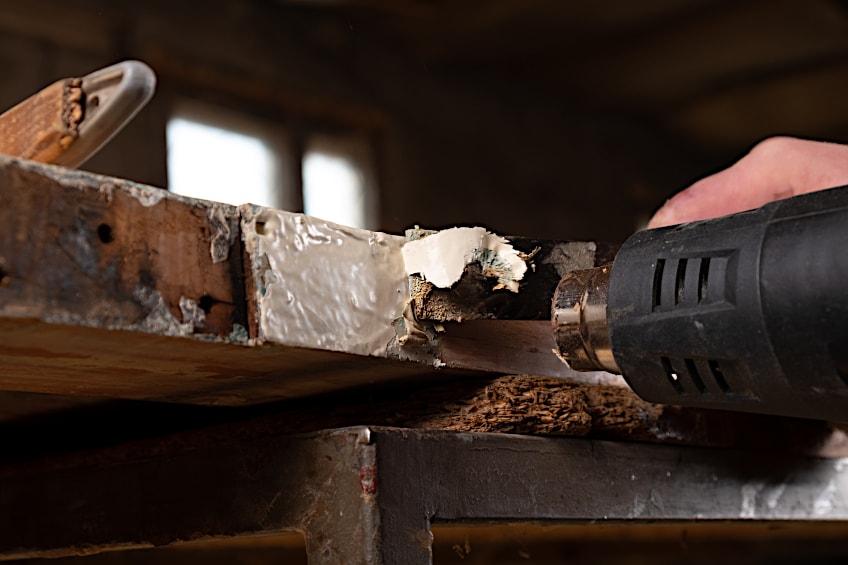
The trick here is to use estrus to the paint and remove information technology at the same time to ensure that the paint is as soft as possible every bit y'all progress. This might be a chip challenging at get-go, but with some practice, you should get the hang of things pretty easily, plus in one case you see how effective this method is on big surfaces, you'll likely be motivated to keep at it until yous observe your ain rhythm.
Once most of the paint has been removed from the surface of the workpiece get your cloth and some warm soapy h2o. Soak the cloth in the water and ring out the excess. Use the cloth to scrub away any residual paint, and if y'all run into whatsoever stubborn pieces utilise your plastic scraper to get rid of them. Once all of the pigment has been removed from the surface of the workpiece, employ some clean water to neutralize the effect of the soap and dry out the surface with a clean material in one case done. Allow the surface to air dry out completely earlier preparing to resurface the workpiece.
Using the Solvent Method
Using a solvent to remove acrylic paint is what about professional crafters and contractors do when at that place's a nasty paint spill or when they're refurbishing older furniture. Why do they apply this method you lot ask? Well, it's i of the easiest, most effective, and least fourth dimension-consuming ways of removing acrylic paint from a woods surface. Before yous get started, yous should know that it'south actually important to ensure that your workspace is well-ventilated and that you're wearing the appropriate personal protective gear as solvent fumes can exist harmful. Here are a few of the things you'll need:
- Lacquer/thinner/methylene chloride/ ammonia
- A pair of gloves
- A face mask
- Some clean cloths
- A plastic scraper
- A brush or fine nap roller
- Some center goggles
- Mineral spirits
- Some water
As we mentioned previously, this is one of the most constructive methods of removing acrylic pigment from wood, but it is besides one of the riskiest due to the chemicals involved in the softening procedure. That's why yous should probably set up before y'all become started, put on your face mask, your gloves, and your goggles to ensure that your face and easily are adequately protected. Once you take all of your gear on get your solvent of choice ready. If you accept a painter'south tray, pour some solvent into it and allow your roller or brush to soak in it for a few minutes. Five minutes should be plenty, but this does depend on the concentration of the chemicals in question, so always read the manufacturer'due south instructions beforehand. In one case your brush/roller has been soaked, remove it and movement on to the next step.
The side by side step also involves some soaking. Use your brush or roller to apply your solvent to the affected area of the workpiece. The goal hither is to saturate the area with solvent to soften the paint every bit much as possible.
Allow the solvent to soak into the paint for around half an hour, but again, this depends on the force of the chemical then consult the manufacturer's guidelines to be sure. After the solvent has had some fourth dimension to soak in you should see the pigment start to bubble on the surface (not to mention quite a strong smell). This means that the solvent is doing its thing and that yous should get your plastic scraper ready. Use the scraper to remove the majority of the paint from the surface of your workpiece, only exist certain to scrape in the direction of the wood grain to avoid damaging the surface of your workpiece.

Side by side, it's time to get your clean dress and mineral spirits. Add some mineral spirits to your material without saturating it, so rub the cloth on the surface you lot just scraped the pigment off. The goal here is to neutralize the solvent earlier information technology starts eating abroad at your wood, but information technology also helps remove any residual paint from the surface of the workpiece. Now that you have nigh (if not all) of the paint removed from the surface of your workpiece, use a damp cloth (no lather) to wipe off whatever paint that might have been smeared across the surface of the workpiece. Once washed, let the surface to dry completely before attempting to resurface or add together a new glaze of paint.
That's it! Now that you know what acrylic paint is, why it can exist challenging to remove, as well equally some of the all-time methods to removing both wet and dry out acrylic pigment from a range of wooden surfaces, it'south time for you to become out there and put your new-constitute knowledge to the test. Remember to ever habiliment the appropriate personal protective gear and to piece of work in a well-ventilated area when working with solvents.
Frequently Asked Questions
What Removes Acrylic Pigment?
Wondering what removes acrylic paint? Although information technology does depend on the cloth of your workpiece, in that location are loads of things you tin use to remove acrylic paint from a surface. Some of the near effective means of doing and so are directed heat, solvents, rubbing alcohol, or but some lather and water that will get the chore washed.
Is It a Skillful Idea to Use Acrylic Paint for Woodwork?
Is it a adept idea to use acrylic paint for woodwork? When painting wood at that place are many paints to choose from, only some of the nigh effective and long-lasting finishes are found when using oil-based and acrylic paints. These paints provide protection for external forces and accept some cute textures to choose from.
What Are Acrylic Paints Used For?
Acrylic paints are one of the almost versatile paint types on the market place today. They can be used on many surfaces, including card, metal, plastic, wood, drinking glass, fabrics, leathers, and fifty-fifty resin surfaces. These paints are piece of cake to employ, relatively inexpensive, and will protect your workpiece well.
Source: https://acrylgiessen.com/en/how-to-remove-acrylic-paint-from-wood/
0 Response to "How To Remove Dry Acrylic Paint From Wood"
Post a Comment